






- What Are Geomaterials and Why Do They Matter for Construction in Kazakhstan?
- Understanding Geomaterials: Meaning, Types, and Their Practical Roles
- Natural Geomaterials: The Building Blocks Beneath Our Feet
- Engineered Geomaterials: High-Tech Helpers
- How Geomaterials Support Safe, Long-Lasting Construction: From Foundations to Erosion Control
- Real-World Examples of Geomaterials and Their Properties in Construction Projects
- The Future of Geomaterials: Innovation and Sustainable Construction in Kazakhstan
In Kazakhstan’s modern construction boom, new roads, residential developments, and industrial facilities reshape the landscape every year. Yet beneath strong foundations and smooth asphalt lies a world few people understand – the realm of geomaterials. For those curious about what makes these materials so essential in construction, the company Kraska.kz helps clients source high-quality geomaterials for infrastructure projects and building needs geomaterials. To truly appreciate the role of soil, stone, and synthetic layers in engineering, it helps to break down their science in clear terms.
What Are Geomaterials and Why Do They Matter for Construction in Kazakhstan?
Geomaterials are natural or engineered substances used to support, stabilize, and protect structures built on or in the ground. While this may sound broad, the geomaterials definition encompasses everything from compacted clay to geotextiles. The significance of geomaterials in geotechnical engineering comes from their ability to adapt to Kazakhstan’s varied terrain – from clay-laden lowlands to gravelly steppe and arid deserts. In practical terms, geomaterials supply the raw strength and resilience that protect roads against frost heave, reinforce the bases of warehouses, and provide drainage beneath landscaping projects.
Kazakhstan’s climate presents a particular challenge: spring thaws, occasional flooding, and high winds all threaten the long-term stability of infrastructure. Geomaterials mitigate erosion, resist frost damage, and dissipate the stress of heavy loads from vehicles and buildings. Engineers analyze geomaterials under the microscope to determine their grain size, mineral content, and overall structure before construction begins. Using this data, they select the right combinations of sand, crushed stone, or synthetic fibers to create durable foundations. The strength of geomaterials becomes crucial, especially where soil conditions might otherwise lead to settling or cracking.
Understanding Geomaterials: Meaning, Types, and Their Practical Roles
For non-engineers, the geomaterials meaning can be simplified: these substances make the ground safer and more reliable for anything we build. There are two main groups. Natural geomaterials originate directly from the earth – soils, gravels, sands, silt, and rocks. Their composition depends on ancient geological processes, and the minerals present in the local area. On the other hand, engineered geomaterials include products like geotextiles, geogrids, and geocomposites, which are manufactured to serve specific functions such as filtration, reinforcement, or separation.
Natural Geomaterials: The Building Blocks Beneath Our Feet
Where are geomaterials coming from? In Kazakhstan, quarries and riverbeds supply sand and gravel, while clay is excavated from natural deposits. These minerals form the essential bulk materials for everything from road sub-bases to concrete aggregate. For strength, gravel and crushed stone outperform finer soils, but clays may be used in impermeable barriers or landfill liners.
Engineered Geomaterials: High-Tech Helpers
As construction practices evolve, engineered geomaterials play an even greater role. Geotextiles – synthetic fabrics designed to perform under stress – provide filtration, stabilization, and separation between soil layers. These advanced materials prevent the mixing of different soil types, control moisture, and can even be tailored to manage chemical contamination. With such versatility, engineered geomaterials use has become routine for roadwork, railway beds, and landscaping projects across Kazakhstan.
In all their forms, geomaterials minerals determine how these substances respond to pressure, water, and temperature changes. For example, quartz-rich sand drains efficiently but does not compress, whereas clay holds moisture and swells. Understanding the differences allows builders to control how their projects interact with the land year after year.
Alongside these natural and synthetic materials, the company Kraska.kz provides advice and solutions for sourcing products that meet the exacting standards of today’s demanding applications Kraska.kz.
How Geomaterials Support Safe, Long-Lasting Construction: From Foundations to Erosion Control
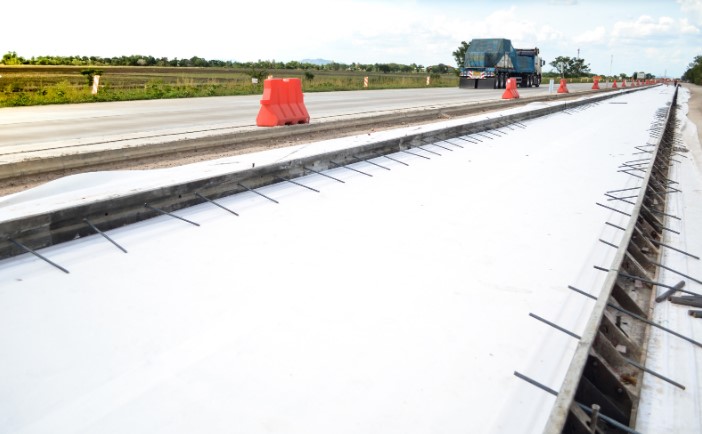
The real value of geomaterials emerges in their practical applications – where science meets the daily needs of construction logistics and safety. Every major project, from new highways in Astana to water management systems in Almaty, begins with a careful selection of geomaterials tailored to the environment. The company Kraska.kz supplies projects across the region with materials engineered to local standards .
Below are key roles where geomaterials make an essential difference:
- Foundation Strengthening: Geomaterials provide a stable base for structures, spreading out heavy loads and preventing the soil from shifting under pressure. This includes gravel layers beneath roads and reinforced fill for large buildings.
- Erosion Control: Whether it’s riverbanks, earth embankments, or steep slopes, geomaterials such as riprap (large stones) and geotextiles halt soil loss from water and wind. Erosion of geomaterials is minimized by choosing the right type and installation method for each site.
- Drainage and Filtration: Geotextiles, sand layers, and specially graded gravels allow water to flow away from structures without carrying soil particles, preventing flooding and weakening of the ground.
- Separation and Stabilization: By layering different geomaterials, engineers keep fine soils from mixing with strong aggregates, avoiding the risk of settling or instability in roads and pavements.
- Reinforcement of Embankments and Hillsides: Geogrids and synthetic meshes lock soil in place, enabling steep slopes to resist collapse and landslides.
Beyond these typical applications, the same principles apply whether you’re constructing a residential driveway, a municipal park, or a major transportation corridor. Each project demands careful attention to geomaterials meaning and performance to ensure a reliable end result.
Real-World Examples of Geomaterials and Their Properties in Construction Projects
The world of geomaterials is vast, with each type selected for its unique properties. Here are a few common examples of geomaterials encountered across Kazakhstan’s construction sector:
- Sand: Great for drainage and leveling surfaces, sand is often used as a bedding layer under paving stones or pipes.
- Gravel and Crushed Stone: These provide high load-bearing strength and are ideal for road sub-bases, railways, and foundations.
- Clay: Used in lining ponds or landfills, clay’s impermeability keeps water and contaminants contained.
- Geotextiles: These synthetic fabrics act as filters and separators, allowing water through while holding soil in place.
- Geogrids: Rigid mesh materials that reinforce roads, embankments, and retaining walls, improving overall stability.
The strength of geomaterials is measured not just in laboratory conditions, but in their ability to perform under the everyday stresses of traffic, shifting weather, and long-term use. Modern engineers now study geomaterials under the microscope, examining their internal structure, mineral content, and the way microscopic pores and particles influence real-world performance.
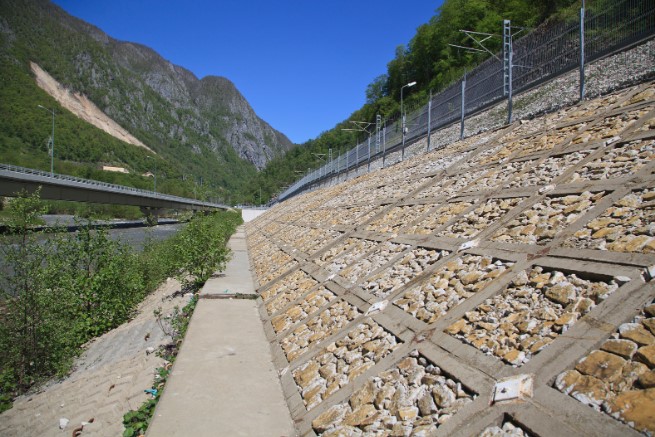
Choosing the correct materials is not simply a matter of cost or availability, but of matching the specific minerals, grain sizes, and engineered properties to each site’s requirements. In Kazakhstan – where new infrastructure must endure harsh winters and spring floods – these decisions impact the lifespan and safety of every project.
The Future of Geomaterials: Innovation and Sustainable Construction in Kazakhstan
Kazakhstan’s continued growth demands smarter, more efficient use of geomaterials. Researchers and engineers are developing new blends of local minerals, recycled aggregates, and eco-friendly synthetic fibers that improve strength, reduce costs, and minimize environmental impact. Future advancements may include self-healing geotextiles, advanced soil monitoring systems, and even bioengineered geomaterials that adapt to environmental changes.
For developers, builders, and municipalities across Kazakhstan, the smart deployment of geomaterials will remain a foundation for success. With reliable suppliers, innovative materials, and ever-improving knowledge of how these substances work beneath the surface, the nation’s ambitions for safe, resilient infrastructure are well within reach.